What Are the Growing Conditions of Turkish Tea?

Turkish tea is a plant primarily grown in the Black Sea Region, and the climate of this area directly affects the quality of the tea. This region provides the humid and temperate climate conditions that tea needs, allowing the tea plant to develop optimally. The high humidity and regular rainfall enhance the intense aroma of the tea leaves, while the richness of the soil in the region enriches the flavor profile of the tea. Therefore, the quality of Turkish tea is directly related to its growing conditions.
Another important factor in the growing conditions of Turkish tea is the altitude and soil structure. Teas grown in high-altitude areas have a more intense aroma and flavor profile. For this reason, the Eastern Black Sea region, especially the plateaus around Rize, are ideal places for tea cultivation. The volcanic soils found in these plateaus provide the necessary minerals and nutrients for the tea plants. Thus, the tea plant grows healthily and produces high-quality leaves.
Additionally, sunlight plays an important role in the growing conditions of Turkish tea. Tea trees that receive adequate sunlight produce healthier and tastier leaves through photosynthesis. This situation affects the aroma and taste characteristics of the tea, enhancing the quality of the product offered to consumers. The Black Sea climate is rich in both rain and sunlight, making this region highly suitable for tea cultivation.
Finally, another factor that determines the quality of Turkish tea is the production techniques. When harvesting tea, the freshest and youngest leaves should be selected. Careful handling is also essential during the processing of these leaves. Proper harvesting and processing methods affect the aroma and taste of the tea, ensuring a high-quality beverage is produced. Therefore, Turkish tea producers succeed in offering a globally recognized flavor by cultivating their tea according to these conditions.
What Are the Different Varieties Used in Turkish Tea?
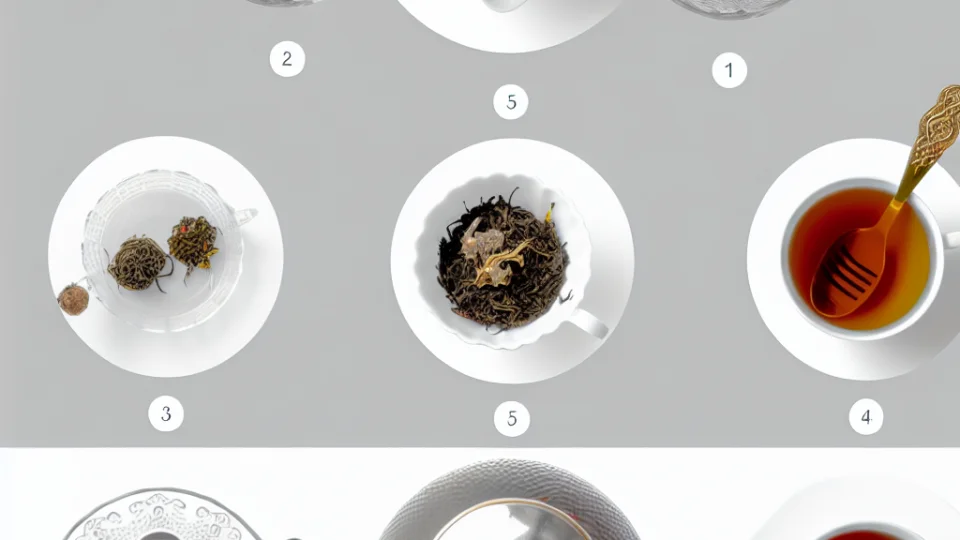
Turkish tea is known for its rich flavor and aroma, and behind this richness lie various types of tea. The most consumed tea type in Turkey, Çaykur Rize, is produced from tea leaves grown particularly in the Eastern Black Sea region. This tea is obtained through the special processing of tea plants grown at high altitudes and has a unique taste. Additionally, another variety that enhances the quality of Turkish tea is Black Tea. This tea is an ideal choice for those seeking a strong aroma and flavor.
Among the varieties of Turkish tea, Oolong tea is a semi-fermented tea that possesses characteristics of both green and black tea. The distinctive flavor of Oolong tea sets it apart from other tea varieties. This tea, which is generally a lesser-known option, is gaining increasing interest in Turkey. Oolong tea is frequently preferred by tea lovers due to its rich aroma and health benefits.
Green tea is also among the varieties of Turkish tea. Known for its antioxidant properties, this tea attracts the attention of health-conscious consumers. Since green tea is brewed at low temperatures, it helps preserve the natural color and flavor of the tea leaves. In recent years, green tea production in Turkey has increased, and many local producers are experimenting with various methods to enhance the quality of this healthy beverage.
Finally, herbal teas are also included among the varieties of Turkish tea and are particularly preferred for health issues such as indigestion or stress. Herbs like mint, chamomile, and lemon balm hold an important place in Turkish tea culture. These teas are among the favorites of Turkish tea lovers due to their refreshing effects and health benefits.
Why is the Harvesting Time of Tea Leaves Important?

The harvesting time of tea leaves is one of the most important factors that directly affect the quality of tea. The ideal harvesting time varies depending on the growth stage of the tea plant and climatic conditions. Generally, the spring months are the period when tea leaves are the freshest and most aromatic. Leaves harvested during this time contain the components that define the characteristic aroma and flavor of the tea. Therefore, it is crucial for tea producers to time their harvest correctly.
The importance of the harvesting time of tea leaves is not limited to aroma alone. The physical and chemical structure of the leaves also changes according to the harvesting time. For example, leaves harvested early typically contain more absorbed water and nutrients. This results in a richer flavor profile for the tea. Additionally, the maturity of tea leaves affects the levels of tannins and polyphenols, enhancing their health benefits.
The maturation of tea leaves varies depending on many factors. In particular, climatic conditions such as sunlight, rainfall, and temperature play a significant role in the development of tea leaves. Therefore, tea producers should carefully monitor seasonal changes and weather conditions. This monitoring not only enhances the quality of the tea but also maximizes production efficiency. Harvesting at the right time directly increases the yield from the tea.
In conclusion, the harvesting time of tea leaves is a critical factor that determines the quality and flavor of tea. Leaves harvested at the right time offer a rich aroma and taste while also providing numerous health benefits. By considering this important factor, tea producers can enhance both quality and efficiency. Therefore, for tea lovers, knowing when the tea is harvested is of great importance for a quality tea experience.
What Are the Stages of Processing Turkish Tea?

The stages of processing Turkish tea are the most important factors that determine the quality and flavor of the tea. The first stage is the collection process of the tea leaves. During this stage, tea leaves are typically collected in the morning when the humidity is low. This helps preserve the freshness and aroma of the leaves. After collection, the leaves are quickly transported to factories for processing. This process is critical for the freshness of the tea, and if not done correctly, it can negatively affect the quality of the tea.
The second stage is known as the fermentation of the tea leaves. In this stage, the leaves are exposed to oxygen for a certain period, allowing natural enzymes to ferment them. The duration of fermentation is an important factor that determines the flavor and aroma of the tea. If the leaves are over-fermented, the tea can become bitter. Therefore, the fermentation process must be carefully monitored. This stage contributes to the unique flavor profile of Turkish tea.
The third stage is the drying of the tea leaves. The drying process reduces the moisture content of the tea leaves, extending their shelf life. This stage also helps preserve the aroma and color of the tea. The leaves are typically dried using hot air currents. The duration and temperature of drying are other important factors that affect the flavor of the tea. Proper drying enhances the quality of the tea, while incorrect practices can negatively impact its taste.
The final stage is the packaging and distribution process of the dried tea leaves. During packaging, airtight containers are used to keep the tea fresh. This plays a critical role in preserving the aroma and flavor of the tea. Additionally, it ensures the proper separation of different brands and types of tea. Packaging guarantees that consumers receive a reliable product when purchasing tea and contributes to the global recognition of Turkish tea.
How to Identify Quality Turkish Tea?

Quality Turkish tea is determined by many factors, each of which has a significant impact on the tea's flavor, aroma, and overall quality. First and foremost, the appearance of the tea leaves is very important. Quality tea leaves should be thin, long, and vibrant in color. The leaves should be dark green or black and should shine when light falls on them. Additionally, the ability of the leaves to curl when dried and show slight elasticity provides accurate clues about the quality of the tea.
Secondly, the aroma of the tea plays a critical role in determining its quality. Quality Turkish tea should emit a pleasant aroma during brewing. This aroma varies depending on the type of tea and the processing method. For instance, high-quality teas often carry floral and fruity notes, while lower-quality teas may emit sharp and unpleasant odors. Therefore, it is important to pay attention to the aroma when selecting your tea.
Thirdly, the color and taste of the tea obtained after brewing stand out as important indicators of its quality. Quality Turkish tea should take on a dark, deep red or amber color after brewing. During tasting, the tea is expected to have a balanced flavor profile. That is, it should neither be too bitter nor too sweet. Quality teas typically offer a rich depth and complexity of flavor.
Finally, the content of the tea is also a factor that affects its quality. Quality Turkish tea should contain a high level of antioxidants and other nutrients. Therefore, the origin and processing of the tea are also important. Certified organic teas generally adhere to higher quality standards. Thus, reading labels and researching production methods when selecting your tea can help you find good quality Turkish tea.
Why Are Brewing Time and Temperature Important for Tea?

The brewing time and temperature of tea are the most critical factors that determine the taste and aroma of Turkish tea. Brewing time refers to the duration required for the tea leaves to interact with water. If tea is brewed for too long, it can result in a bitter taste. On the other hand, if the tea is not brewed sufficiently, it can lead to the aroma and flavor of the tea not being fully expressed. Therefore, the ideal brewing time may vary depending on the type of tea and personal preferences.
Temperature is just as important as brewing time. Turkish tea is typically brewed with boiling water, but the water temperature should vary according to the type of tea. For instance, especially for green teas, the water temperature should be between 70-80 degrees. In this case, the tea leaves can interact optimally with hot water, providing a rich aroma. However, for Turkish tea, a temperature between 90-100 degrees is ideal. This temperature best reveals the essence and flavor of the tea.
Paying attention to brewing time and temperature not only enhances the quality of the tea but also allows you to benefit from its health advantages. The correct temperature and duration support the transfer of polyphenols and antioxidants from the tea into the water. These substances cleanse the body of toxins and strengthen the immune system. Therefore, if you brew your tea correctly, you will gain more benefits in terms of both flavor and health.
Finally, the brewing time and temperature of tea can vary according to the palate of tea lovers. Some people prefer a stronger and more intense flavor, while others seek a lighter and refreshing beverage. Therefore, when trying your tea, it is important to adjust both the brewing time and temperature to your taste. These personal experiences help you better understand the rich culture and diversity of Turkish tea.
Turkish Tea and Health: What Are Its Benefits?

Turkish tea is an important beverage not only for its taste but also for the nutrients it contains. Thanks to the antioxidants it holds, it fights free radicals in the body, preventing cell damage. This feature plays a critical role in maintaining heart health. Regular consumption of Turkish tea may help balance blood pressure and reduce the risk of heart diseases. Additionally, the tea's polyphenol content may be effective in lowering cholesterol levels.
Turkish tea also plays a significant role in benefiting the digestive system. The flavonoids and other components in it promote the production of digestive enzymes and support intestinal health. Especially after heavy meals, having a cup of Turkish tea can facilitate digestion. Moreover, the caffeine contained in the tea may help accelerate metabolism and assist in weight control. However, it should be noted that excessive consumption should be avoided.
Turkish tea can also be effective in reducing stress and anxiety. The component known as theanine in the tea provides mental relaxation and enhances focus. If you are under intense stress during the day, having a cup of Turkish tea can help you relax and give your mind a break. Therefore, tea times offer an opportunity not only as a social event but also to improve your mood.
- Maintaining heart health
- Supporting the digestive system
- Reducing stress
- Accelerating metabolism
In conclusion, Turkish tea is not only a delicious beverage but also a natural source that offers many health benefits. Regular consumption can improve overall health and enhance quality of life. However, as with everything, it is most important to consume it in moderation. Especially if you have health issues, consulting a specialist regarding tea consumption may be beneficial.